Matte vs. Gloss Finishes for Modern Kitchens
A comparison of matte and high-gloss kitchen cabinet finishes, exploring light reflectance value (LRV), nanotech Fenix surfaces, and two-pack polyurethane.
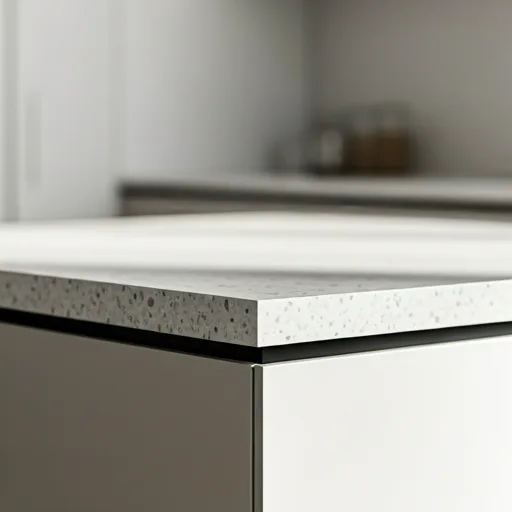
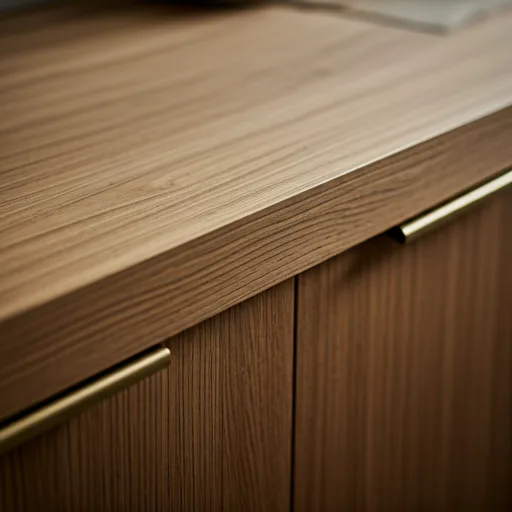
When planning custom kitchen cabinetry, the choice of surface finish is a key decision that affects the kitchen's lighting, visual spaciousness, and daily maintenance requirements. Modern matte and luxury high-gloss finishes represent two distinct styles, each offering unique physical properties and aesthetic advantages. The choice of coating determines the panel's surface texture, scratch resistance, and chemical durability.
To protect timber veneers or painted panels from heat, grease, and direct sunlight, we apply high-density polyurethane sealers and acrylic hardeners. This is especially critical in cooking zones where cabinets are exposed to hot steam and grease. In this guide, we analyze light reflectance values, matte and gloss coatings, scratch resistance, and hybrid joinery layouts.
This technical cabinet maker's guide explores the physics of surface reflection, coating chemistries, maintenance protocols, and layout strategies for matte and high-gloss kitchen cabinets.
- 1. Light Reflectance Value (LRV) and Its Aesthetic Impact
- 2. Matte Finishes: Minimalist Aesthetics and Fenix Nanotech Surface Chemistry
- 3. High-Gloss Finishes: Multi-Stage Polyurethane and Polishing Standards
- 4. Gloss Measurement: Glossmeter Standards and Angle Analysis
- 5. Scratch Resistance and Surface Maintenance Protocols
- 6. Hybrid Layouts: Combining Matte Base Cabinets with Gloss Overheads
- 7. Lighting Integration: Mitigating Glare and Reflective Highlights
- 8. Budget Planning and Cost Comparisons of Finishes
- 9. Frequently Asked Questions (FAQ)
- 10. Cabinetry Finishes Synthesis
1. Light Reflectance Value (LRV) and Its Aesthetic Impact
The visual character of a cabinet panel is defined by its Light Reflectance Value (LRV). LRV is an scale that measures the percentage of visible light reflected by a surface. High-gloss finishes have an LRV rating exceeding 80%, acting like mirrors that bounce light across the room, making small kitchens feel much larger. Matte finishes absorb light, creating a soft, uniform look that highlights the cabinet's shape. The physical difference lies in specular reflection (mirror-like highlights) versus diffuse reflection (scattered light). Glossy panels reflect light in a single specular direction, creating distinct reflections, while the micro-roughness of matte surfaces scatters light in all directions, preventing glare.
We analyze the room's natural light before specifying finishes. In dark rooms, we recommend high-gloss light cabinets to maximize light distribution, while in bright rooms, we specify matte finishes to prevent glare. You can explore our joinery styles on our services page. We use spectrophotometers to measure LRV and simulate lighting conditions during the design phase. We also ensure that cabinet backing panels are sealed with the same finish to prevent moisture imbalances that could cause the doors to warp, satisfying standard cabinetry rules. This dual-sided coating prevents structural warping under fluctuating humidity levels, protecting your investment.
Additionally, we consider the surrounding wall colors. Light walls reflect more light, enhancing the visual spaciousness of a glossy kitchen island, while dark walls absorb light, emphasizing the dramatic shadow lines of matte cabinetry. All sheen parameters are designed to comply with quality guidelines. We mühürler (seal) all cabinet components to protect the substrate from moisture ingress. This sealing process is executed using low-pressure spray guns in clean-room environments to prevent dust contamination.
2. Matte Finishes: Minimalist Aesthetics and Fenix Nanotech Surface Chemistry
Matte finishes absorb light rather than reflecting it, creating a soft, uniform look that highlights the joinery's form. This makes them ideal for minimalist or contemporary styles. High-end matte panels like Fenix utilize nanotech coatings that are highly resistant to fingerprints and scratches. Fenix panels are manufactured using electron beam curing (EBC), which creates a dense, non-porous polymer layer. This nanotech structure allows minor micro-scratches to be repaired using heat (such as an iron), restoring the surface to its original state.
We specify premium matte lacquers for flat panels, using acrylic resins that are resistant to UV yellowing. We align all doors with consistent 3mm shadow lines, creating a clean, architectural facade. You can view our joinery finishes in our design gallery. We use laser edge-banding (zero-joint technology) to apply matching ABS bands to the panel edges, eliminating the dirt-collecting glue line typical of standard cabinets. This hot-air fusion process melts the edge-band's polymer backing, forming a seamless and waterproof seal.
Furthermore, these nanotech surfaces are highly resistant to chemical cleaning agents. The non-porous structure prevents oil, acid, and wine from penetrating the panel, making them highly durable. The anti-static properties of matte surfaces also reduce dust buildup, keeping cabinets clean with minimal maintenance. For historic home advice, see our heritage space guide. These anti-static properties are achieved by incorporating microscopic carbon fibers within the outer resin matrix.
3. High-Gloss Finishes: Multi-Stage Polyurethane and Polishing Standards
High-gloss finishes act like mirrors, reflecting light deep into the room. This makes them excellent for compact kitchens or apartments, where they visually double the space. To achieve a deep, glass-like reflection, we apply dual-component (two-pack) polyurethane coatings over high-density MDF panels. This coating forms a hard, impermeable layer that is highly resistant to moisture, red wine, and oil stains. The quality of a high-gloss panel depends on the precision of the spraying and polishing processes.
We apply multiple coats of polyurethane in dust-free spray booths, sanding between each coat to eliminate the "orange peel" texture. After curing, we wet-sand the surface with ascending grit papers (from P1500 to P3000) and polish it using high-speed rotary buffers with wool pads and fine abrasive pastes, achieving a flawless mirror shine. Our painting standards are detailed in our historic Fitzroy house painting guide. We also apply a final scratch-resistant acrylic clear coat to protect the glossy surface from daily impacts. This clear coat contains micro-ceramic particles that increase scratch resistance by up to 50% compared to standard lacquers.
Additionally, two-pack polyurethanes contain aliphatic isocyanates that prevent UV discoloration. This ensures white cabinets do not turn yellow over time under Melbourne's intense sun. All polished doors are covered with protective films during transport and installation to prevent scratches. You can monitor our cabinet installations on our live construction tracker.
4. Gloss Measurement: Glossmeter Standards and Angle Analysis
To guarantee consistency across all cabinet panels, we measure gloss levels using a digital glossmeter. Gloss is measured by directing a light beam at a specific angle and recording the intensity of the reflection.
Under international standards (such as ISO 2813), high-gloss panels are measured at a 20-degree angle, requiring a rating of 85 Gloss Units (GU) or higher to be classified as premium mirror gloss. Semi-gloss and satin panels are measured at a 60-degree angle, targeting 30 to 60 GU, while ultra-matte surfaces are measured at an 85-degree angle, requiring a rating below 5 GU to ensure a flat, non-reflective finish. We inspect every panel before dispatching it to the site. This quality check is documented on our digital client dashboard.
Additionally, we verify the uniformity of the paint film thickness. Variation in film thickness can cause uneven gloss levels across wide panels, leading to patchy reflections. We use electronic coating thickness gauges to confirm that the paint layer is uniform within +/- 5 microns, ensuring a consistent finish. Any panels that fail this check are stripped and re-sprayed to guarantee perfection.
5. Scratch Resistance and Surface Maintenance Protocols
Cabinet finishes must be durable enough to resist scratches from cutlery, keys, and daily use. High-gloss surfaces, while water-resistant, are more prone to showing micro-scratches. Matte surfaces are highly effective at hiding minor scratches and fingerprints, making them ideal for high-traffic family kitchens.
To maintain custom cabinetry, we recommend cleaning the panels using a soft, damp microfiber board. Avoid abrasive pads or harsh solvent cleaners, which can degrade the protective polyurethane layer and allow moisture to penetrate the HMR core. Our cabinet care guide is detailed in our Toorak custom cabinet design guide. Proper care preserves the deep color and structural integrity of the joinery for decades. We advise applying a specialized polymer protective wax to high-gloss doors once a year to fill in micro-scratches and restore the mirror shine.
6. Hybrid Layouts: Combining Matte Base Cabinets with Gloss Overheads
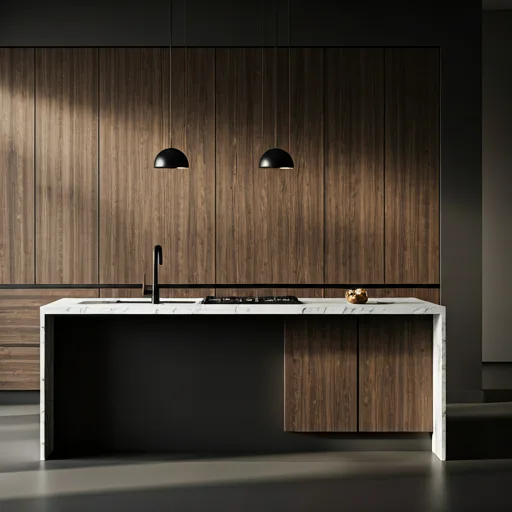
To achieve a balanced design, many modern kitchens combine both finishes. We design hybrid layouts that utilize dark matte timber cabinets for the base units and kitchen island, and high-gloss white panels for the overhead cabinets. This combination visually anchors the lower half of the kitchen while lifting the upper half to reflect natural light deep into the workspace.
We coordinate all mechanical hardware across both zones, using Blum Legrabox drawer runners for base units and Aventos lift systems for wall cabinets. These premium hardware systems ensure a silent, soft-close operation. You can follow our joinery assembly on our tracker. Combining finishes allows us to design kitchens that are highly practical and visually stunning.
7. Lighting Integration: Mitigating Glare and Reflective Highlights
High-gloss cabinets can create distracting glare highlights when exposed to direct LED downlights. To prevent this, we specify deep-recessed spotlights or LED strips with opal diffusers, which distribute light evenly across the work surfaces. We calculate the placement and angles of all lighting fixtures relative to the cabinet panels during the design phase.
For matte cabinets, we use warm 3000K LED lights to highlight the natural texture of wood grains. All electrical wiring is concealed within cabinetry cavities, complying with standard electrical safety codes. To discuss your kitchen lighting design, contact us through our contact page.
8. Budget Planning and Cost Comparisons of Finishes
The cost of cabinetry finishes varies depending on material complexity and labor requirements. A premium two-pack polyurethane high-gloss finish represents a significant investment, typically ranging from $15,000 to $35,000+ AUD, due to the extensive spray and hand-polishing stages required. Nanotech matte laminates like Fenix and textured wood veneers range from $8,000 to $18,000 AUD, providing a durable and cost-effective alternative. The labor cost is driven by the hours of hand-sanding required to achieve flat surfaces, making prep work the largest expense.
We recommend choosing durable finishes for high-wear zones to protect your investment. Working with a registered building practitioner guarantees all joinery installations are certified, adding lasting value to your home. We archive all paint batch details and gloss reports on our client tracking portal for future maintenance references.
9. Frequently Asked Questions (FAQ)
What is Light Reflectance Value (LRV)?
Light Reflectance Value (LRV) is a scale that measures the percentage of visible light reflected by a surface. High-gloss finishes have a high LRV, reflecting light to make rooms feel brighter, while matte finishes have a low LRV, absorbing light for a soft look.
How can I repair scratches on Fenix matte doors?
Fenix panels feature a thermalo-active resin layer. Minor micro-scratches can be repaired by placing a damp cloth over the scratch and applying heat with an iron. The heat triggers the polymer structure to reform, smoothing out the scratch.
Why is two-pack polyurethane preferred over standard vinyl wraps?
Two-pack polyurethane is sprayed directly onto the HMR MDF substrate, sealing all faces and edges in a continuous, waterproof layer. Vinyl wraps use adhesives that can degrade over time, leading to peeling at the door edges when exposed to steam.
10. Cabinetry Finishes Synthesis
Selecting the right cabinetry finish involves balancing lighting design, maintenance requirements, and budget constraints. By measuring gloss levels with glossmeters, utilizing nanotech matte materials, and applying hand-polished two-pack polyurethanes, builders can deliver kitchens that are both beautiful and durable. Proper structural carcass prep and moisture sealing protect the joinery from steam damage. Partnering with a registered practitioner ensures all cabinet installations are fully compliant with building standards, adding lasting value to your Melbourne property.